
Το Forum του Ωδείου Μουσική Πράξη

Για Μένα
Introduction
Root cellars have been a staple of food preservation for centuries, offering building a root cellar in georgia natural method for keeping vegetables and fruits long before the arrival of modern-day refrigeration. Today, the interest in root cellars is experiencing a renaissance, with root cellar kits making it easier than ever for homeowners to maintain their harvests. This article checks out the history and evolution of root cellar packages, highlighting their significance in sustainable living.
 1. Historical Background of Root Cellars
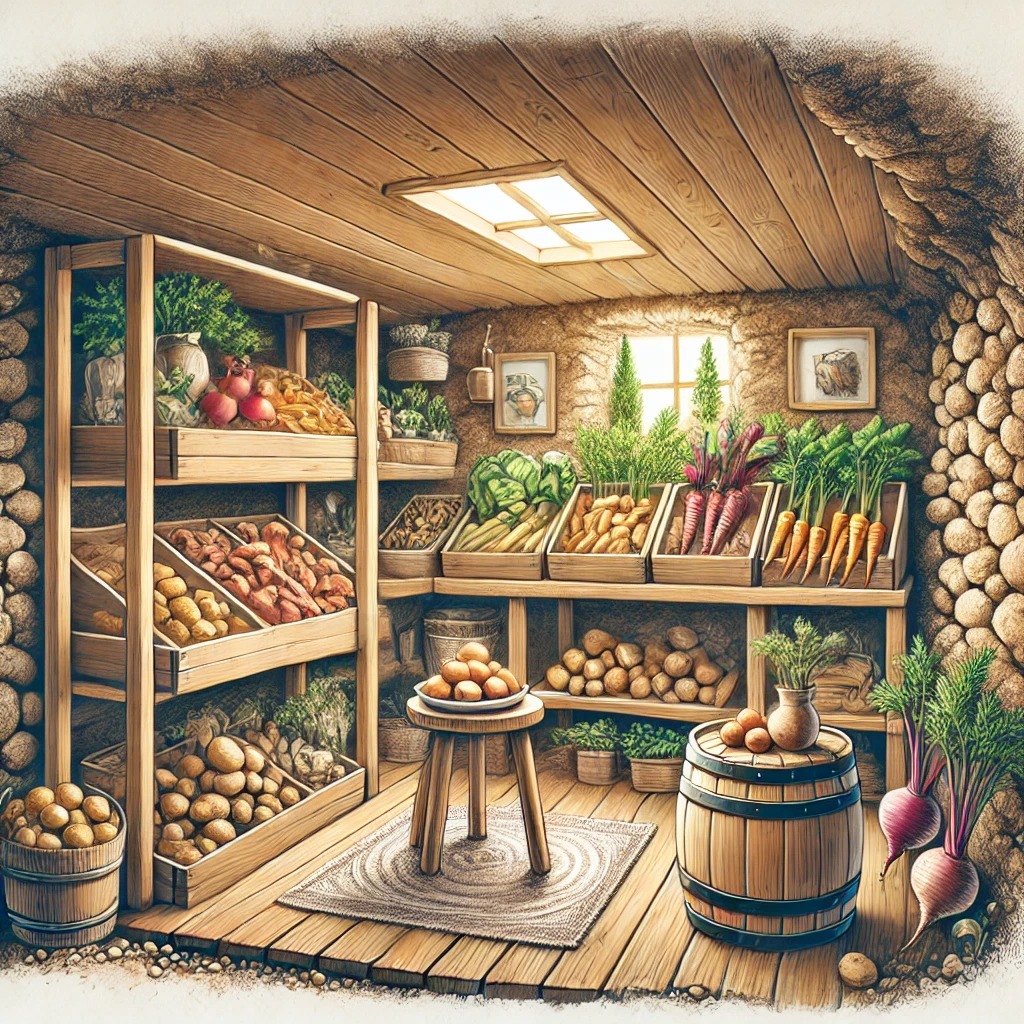
Root cellars go back to ancient civilizations when people looked for methods to save food for the winter season. Early building root cellar cellars were typically dug into the ground, benefiting from the earth's natural insulation. These spaces were utilized to keep veggies like potatoes, carrots, and beets fresh and edible long after harvest.
As communities established, root cellars progressed. Farmers built more sophisticated structures with better ventilation and humidity control to improve their food conservation techniques. Many families counted on these cellars to sustain themselves throughout the harsh cold weather, making them a crucial part of rural life.
2. The Rise of Commercial Root Cellar Kits
With the contemporary shift toward sustainability and self-sufficiency, interest in root cellars has surged recently. The development of business root cellar sets has made it more accessible for property owners to develop their own food storage options. These kits generally consist of pre-designed products and directions, allowing anyone to build a root cellar with relative ease.
Producers have actually responded to the growing need by using a variety of alternatives, from standard underground cellars to portable packages that can suit smaller areas. This evolution shows a wider trend towards gardening, local food sourcing, and sustainable living practices.
3. Functions of Modern Root Cellar Kits
Today's root cellar kits are created with a focus on performance and ease of usage. Key features typically consist of:
Insulation Materials: Advanced insulation materials assist maintain stable temperature levels and humidity levels.
Ventilation Systems: Built-in ventilation systems avoid wetness buildup and guarantee appropriate airflow, important for preserving food quality.
Durable Construction: Many sets are made from sustainable materials that are both durable and eco-friendly.
4. The Role of Root Cellar Kits in Sustainable Living
Root cellar packages play a significant function in promoting sustainable living. By encouraging property owners to grow and store their own food, these kits help reduce reliance on business agriculture and lower carbon footprints. In addition, they promote the intake of seasonal, regional produce, which is typically fresher and more nutritious than store-bought options.
Conclusion
The history and development of root cellars highlight their value in food preservation and sustainable living. With the introduction of root cellar kits, producing a functional and efficient food storage option has never ever been much easier. As more individuals welcome these kits, they contribute to a growing movement toward self-sufficiency and ecological awareness.
Τοποθεσία
Επάγγελμα